Why Are Audible Books Pricier Than Hardbacks? The Real Story for Mystery Fans

Last Updated on December 1, 2025
Audible books are almost always more expensive than hardbacks, and it isn’t just about the price tag.
It’s about the entire ecosystem surrounding audiobooks, the dominance of Audible, and what it means for writers, publishers, and cozy mystery fans.
Brand new hardbacks typically launch with a recommended retail price, but bookstores are locked in a constant battle, discounting even fresh releases to tempt us through the doors and outcompete rivals.
Audiobook prices don’t behave this way. On Audible, the price tag is primarily set by the platform and is usually linked to the book’s length.
Most audiobooks cost between $20 and $30, while hardbacks often slip under $20 due to in-store sales wars.
Here’s the kicker: Audible doesn’t have meaningful competition, so there’s little incentive to reduce prices.
But why are audiobooks expensive to produce? Unlike print books, audiobooks demand studio-quality narration, sound editing, and often additional production staff.
The Book Release Pipeline
Let’s zoom out and peek at the life of a book:
Manuscript: The author writes the story, often pitching to publishers or using self-publication.
Editing: Traditional publishers provide editors, cover designers, and marketers. Self-published authors juggle all these roles, or hire freelancers.
Publication: Hardbacks are printed, shipped, and displayed in physical stores, with frequent introductory price drops. They are generally released for e-readers at the same time.
Audiobook Production: Separately, the manuscript heads to a narrator, sometimes a seasoned actor or celebrity. Studio time and professional audio editing eat up money.
Audible Books Distribution: Finished audiobooks get uploaded to Audible, which decides pricing, distribution, and royalty structure.
Paperback Release: If a book is first published in hardback, the rule of thumb is that the paperback will arrive around six months later.
For big new titles, the hardback, ebook, and audiobook usually land on the same day. Publishers like the sales bump of a single launch.
For many other books, the audio can lag by a bit, from a few days to a few months. Common reasons are narrator scheduling, studio time, final edits, rights in different regions, or a choice to spread out the promos.
Audible’s Origin and Rise
Audible started in 1995 with a mission to make listening to books portable. Its first product, the Audible MobilePlayer, let users download digital books, a radical idea for the time.
In 2008, Amazon bought Audible, cementing its dominance in digital audio. Audible pioneered subscription models and exclusive content deals, leading the charge in digital storytelling.
The platform blossomed, with thousands of titles streaming monthly and millions of listeners tuning in worldwide.
Audible’s Plus Catalogue now offers not only new releases but podcasts and exclusives. For mystery lovers, every genre, even cozy, has a home.
Competition? Not So Much…
Audible’s near-monopoly means its pricing isn’t challenged by rival platforms.
In physical book retail, price drops are essential, but for audiobooks, Audible’s grip eliminates most market pressures to reduce costs.
Smaller audiobook retailers exist, but publishers and creators overwhelmingly choose Audible for its audience reach.
How about in libraries? Here’s the sticky bit. Many “Only on Audible” titles, sometimes by huge authors, can’t be lent by libraries, nor can they be sold by bookstores.
In some cases, exclusive Audible deals mean a digital audiobook is available nowhere else for months, or even years, with only rare exceptions when sales have slumped.
There are rumblings that Audible may expand into library services in the future. Historically, Audible releases select older or less-profitable audiobooks to libraries via special licensing, but new exclusives remain locked down.
If Audible pivots further toward libraries, it could shake up access; however, for now, their library involvement is limited and mostly speculative.
Bestseller Lists
Did you know that audiobooks on Audible streams don’t count toward standard bestseller sales figures, such as those compiled by the New York Times or industry trackers?
This creates a skewed picture of which titles are truly “hot,” especially as digital audio surges in popularity.
With audio dominating certain genres, cozy mysteries included, it’s possible that future bestseller metrics will start factoring in digital audio sales.
The biggest-selling book on Audible in recent years has consistently been Project Hail Mary by Andy Weir for fiction, with Ray Porter narrating, and the Harry Potter series narrated by Jim Dale also remains one of the most popular audiobooks ever produced.
Listener ratings, extensive reviews, and frequent chart appearances affirm their status as the platform’s giants.
Let’s Talk Money
Here’s what’s behind the scenes: The author/publisher royalty structure for Audible is notoriously complex and recently changed.
Traditionally, Audible books offered a 40% royalty rate for exclusive titles (meaning the audiobook was only available on Audible) and 25% for non-exclusive titles.
These rates recently rose to 50% for exclusive titles and 30% for non-exclusives, at least on paper.
Then changes were made. Instead of a fixed-rate-per-sale model, the new system pools all the money from membership plans and credits spent in a given month, then divides it across all titles people have listened to using a licensed formula.
This “pool model” is similar to Kindle Unlimited for eBooks, and it means an author may only get a fraction of what they’d have earned before, depending on what else members are listening to that month.
Authors used to make about $5 per Audible credit spent on their book. Now, under the pool model, that payout can drop to as little as $1.30, or even less, if lots of members use unlimited listening on other content.
Indie and small-press authors are disproportionately affected. Major publishers and top names sometimes get better deals or placement in special “pool” programs, but most creators are left with less, even as headline percentages look better.
Non-exclusive authors, those offering their work on other platforms, receive only about 25–30% of Audible’s “net receipts,” and they have no control over price.
Comparison with Other Distributors
On other platforms, authors get between 45%–100% of the sale price, and often control their pricing, unlike Audible, which sets the price and controls discounts.
Audible contracts are lengthy: an exclusive deal locks up your audiobook for seven years, while non-exclusive distribution is flexible but pays less.
The Bottom Line
Audible’s “higher” royalty percentages are misleading because the payout is based on a smaller pie, split among more books in the subscription pool.
In some cases, payments can be pennies per listen. Indie authors and even many established publishers express concern that Audible’s system now rewards only the most streamed or high-profile books, and that most smaller authors will see much lower, unpredictable earnings, not just per sale, but overall.
This shift makes it increasingly challenging to earn a living from audiobooks for midlist and new authors, especially in niches like cozy mysteries.
Celebrities Voicing Audible Exclusives
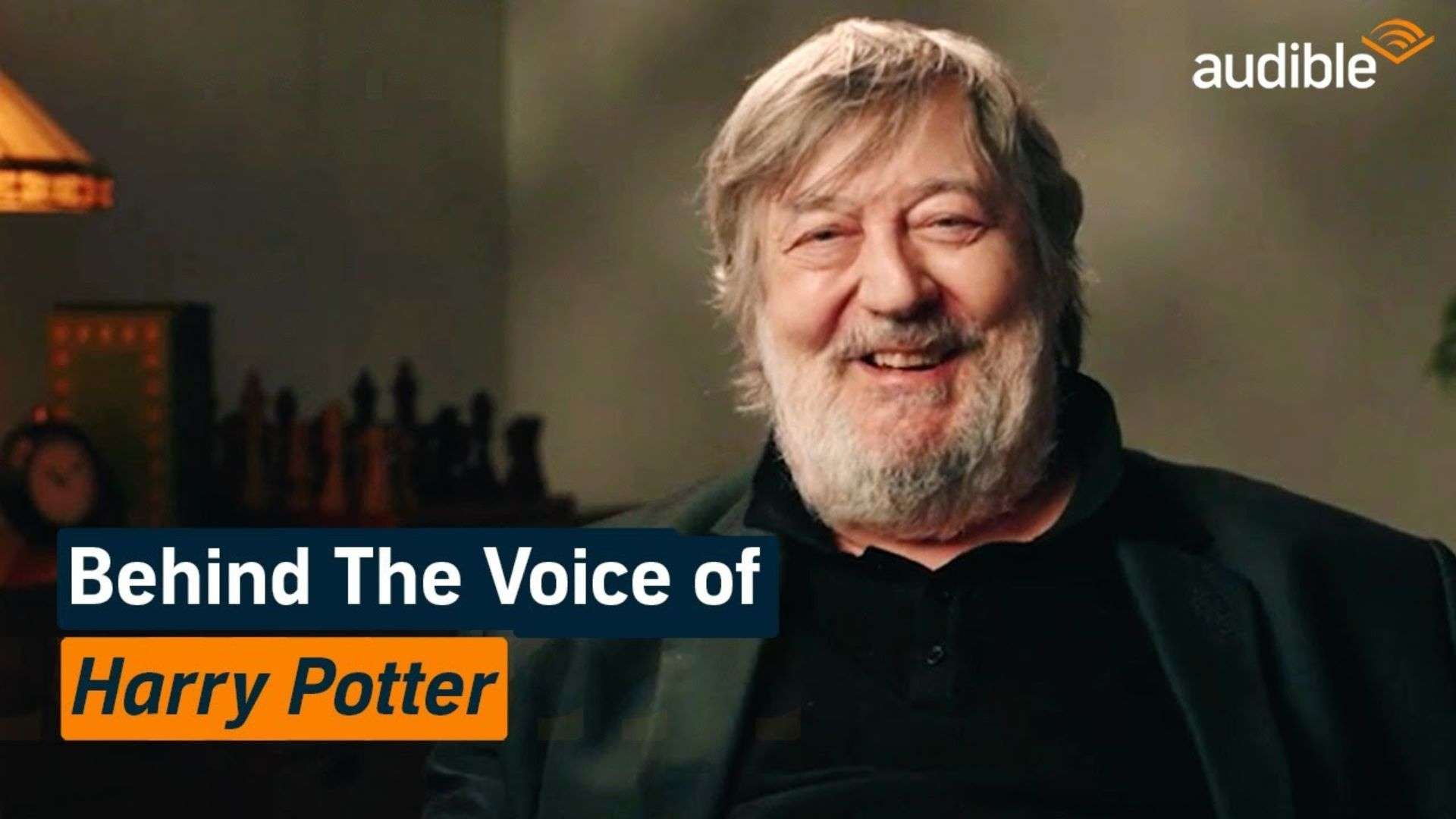
Audible adores star power. Actors and celebrities, including Rosamund Pike, Benedict Cumberbatch, and Stephen Fry, have voiced exclusive audiobooks, bringing familiar voices to classic tales and mysteries.
These performances help justify higher prices, offer unique listening experiences, and often attract new audiences, including those who wouldn’t usually buy books.
What About Cozy Mystery Fans?
For cozy mystery readers (and listeners!), Audible books offers endless options with classics, new releases, and exclusive performances by celebrities.
But high prices and limited library lending mean enjoying the latest mystery may require a subscription or even a pricey one-off purchase.
The lack of competition keeps Audible’s model stable, but it also locks out many who rely on libraries for book access.
So, are Audible books worth the higher price? For listeners who crave professionally narrated mysteries, want flexible access, and love exclusive performances, Audible’s quality and selection deliver a strong value, especially when using membership credits rather than paying the full list price.
But for budget-conscious fans, library lovers, or those wanting more choice, the price remains tough to swallow.
Until other platforms rise up or industry rules evolve, Audible’s pricing and its advantages remain powerful, but imperfect for all.
For cozy mystery lovers like me, Audible books are a treat, but it’s important to keep an eye on how authors are paid, whether libraries will get fair access, and, ultimately, how the world of digital storytelling is changing right before our eyes.