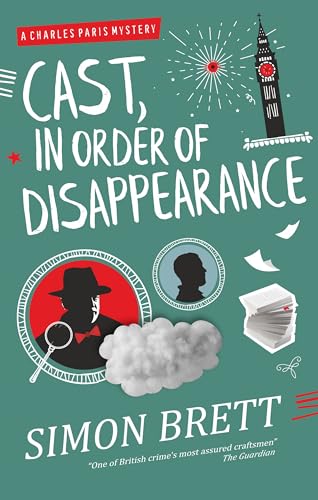
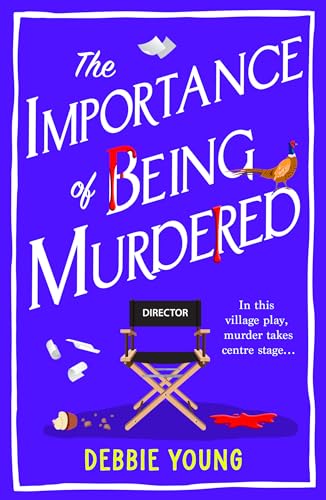
Last Updated on July 29, 2026
If you’re anything like me, you’ll discover the first book in a cozy mystery series and be absolutely thrilled that there are 20 more that you can get stuck into.
Often, the most cost-effective way of getting to read them all (other than the library) is on Kindle Unlimited. One monthly fee, an endless number of books where you can download and borrow ten of them at a time.
But have you found yourself deep into a cozy mystery series, happily clicking through book after book, only to hit a wall?
Suddenly, the next title isn’t included in Kindle Unlimited. Or worse, none of the books in the series are.
When you’re invested in a character, a town, and a long-running storyline, that can feel frustrating, especially when costs start adding up.
So why does this happen? Why are some cozy mystery authors all-in on Kindle Unlimited while others avoid it entirely, even for older books?
And why do some series sit halfway between the two, with earlier titles included but the latest release missing?
Well, I was asked this question in a comment by one of my readers, so I decided to find out why, and the answer comes down to how Kindle publishing works behind the scenes and how authors make their money.
Kindle Direct Publishing (KDP)

At the heart of it all is Amazon’s Kindle Direct Publishing platform, usually called KDP.
This is the system that allows authors, particularly independent ones, to upload their books directly to Amazon and sell them worldwide.
When an author publishes through KDP, they can choose between two main approaches.
They can publish “wide,” which means distributing their book across multiple platforms like Apple Books, Kobo, and Google Play, or they can enroll the book in KDP Select.
KDP Select is where Kindle Unlimited comes in. When an author opts into this program, they agree to make the digital version of their book exclusive to Amazon for a minimum period of 90 days.
In return, Amazon includes that book in Kindle Unlimited, which is the subscription service many readers rely on for unlimited reading.
This exclusivity is the key trade-off. If an author wants their book in Kindle Unlimited, they cannot sell that same ebook anywhere else during the enrollment period.
For some authors, that is a deal-breaker. They may have a strong readership on other platforms, or they may prefer not to depend entirely on Amazon for their income.
For those authors, staying out of Kindle Unlimited is a strategic decision rather than an oversight.
The Payment Factor
Payment is another important piece of the puzzle. When a reader buys an ebook outright, the author earns a percentage of the sale price, typically anywhere between 35% or 70% depending on pricing and territory.
With Kindle Unlimited, authors are not paid per book. Instead, they are paid per page read.
Amazon sets a global payout rate each month, and authors earn a fraction of a cent for each page that subscribers read.
This system can work very well for certain types of books. Cozy mysteries often perform strongly because they are series-driven and highly readable.
If a reader enjoys book one, they are likely to keep going, which means more pages read and more income for the author.
That is why you will often see indie cozy mystery authors putting entire backlists into Kindle Unlimited. It encourages binge reading and builds a loyal audience quickly.
However, the page-read model also introduces uncertainty. Authors do not know exactly how much they will earn per page from month to month, and income depends heavily on reader behavior.
A purchased book guarantees a fixed payment. A borrowed book only pays if it is actually read, and only for the pages completed.
For authors with an established fanbase willing to buy each new release, selling books outright can be more predictable and, in some cases, more profitable.
Traditional Publishing Method

Many traditionally published authors, especially those with major publishers, are not part of KDP Select at all.
Their contracts often involve multiple retailers, print distribution, and library sales, none of which align with Amazon’s exclusivity requirement.
Even if a series is older, such as Cleo Coyle’s Coffeehouse Mysteries, the publisher may continue to earn steady income from direct sales across various platforms, so there is little incentive to switch.
You will also notice a hybrid approach from some authors. They might place the first few books in a series into Kindle Unlimited to attract new readers, while keeping later titles for sale only.
This is a deliberate funnel strategy. Once readers are hooked, they are more likely to pay for the next installment rather than wait. It is a way of balancing discoverability with revenue.
New Releases
The timing of new releases also plays a role. Even authors who fully embrace Kindle Unlimited sometimes delay adding their latest book to the program.
A new release often generates its highest sales in the first few weeks. By selling it at full price initially, the author can maximize earnings from their most dedicated fans.
Later, they may enroll it in KDP Select to reach a wider audience through subscription readers.
From a reader’s perspective, Kindle Unlimited feels like a bargain, especially for series-heavy genres like cozy mysteries.
It allows you to explore new authors without risk and follow long series without constantly paying per book.
The downside is inconsistency. Because participation is optional and tied to exclusivity, the catalog will always be uneven.
Some of your favorite authors will never appear there, no matter how much you wish they would.
Making The KDP Decision

For authors, the decision is rarely simple. Kindle Unlimited offers visibility, access to a huge subscriber base, and the potential for steady income through page reads.
At the same time, it requires giving up other sales channels and accepting a payment model that is outside their control.
Each author has to weigh those factors based on their audience, publishing goals, and financial needs.
Amazon, of course, benefits from this system by encouraging both reader subscriptions and author exclusivity.
The more books that are only available through Kindle Unlimited, the more valuable the service becomes to readers. At the same time, the page-read model helps Amazon manage payouts while keeping the subscription attractive.
So when you find yourself wondering why a favorite cozy mystery series is not included, or why the latest installment is missing, it is not about authors withholding access.
It is about a set of business decisions that balance reach, income, and long-term strategy.
Once you understand how the system works, those gaps in Kindle Unlimited start to make a lot more sense, even if they are still a little frustrating when you are eager for the next chapter.